In our fast-paced and digitally interconnected world, it's easy to get caught up in the hustle and bustle of everyday life. Amidst our hectic schedules and technological distractions, it is essential to pause and reflect on what truly matters: the relationships we cultivate. In this blog post, we will explore the importance of meaningful connections, the impact they have on our well-being, and how we can nurture them to enrich our lives.
Meaningful relationships are the bedrock of a fulfilling and happy life. They encompass more than just superficial interactions; they involve genuine emotional connections and a sense of mutual understanding and support. Whether it's with family, friends, romantic partners, or even our community, these relationships contribute to our sense of belonging, self-worth, and overall mental and emotional well-being.
Building and maintaining meaningful relationships can have a profound impact on various aspects of our lives. Research consistently shows that individuals with strong social connections tend to live longer, have better physical health, and experience lower levels of stress and anxiety. Additionally, having a supportive network can provide a safety net during challenging times, offering comfort, advice, and encouragement.
Creating and nurturing meaningful connections requires effort and intentionality. Here are a few strategies to cultivate and strengthen the relationships that matter most:
In the pursuit of success and personal fulfillment, it's crucial not to overlook the importance of meaningful relationships. As social beings, our connections with others enrich our lives, provide support, and contribute to our overall happiness and well-being. By nurturing these relationships with care, authenticity, and love, we can create a life that is truly meaningful and fulfilling.

"Squid Game" has become Netflix's all-time record-breaker. Hwang Dong-hyuk's series about poor people participating in children's survival games was watched by more than 110 million people in less than a month,...

Roblox Account Password Guessing 2023 (Top 200 Roblox Account Passwords) - There are thousands of PC games available in the market. Every year hundreds of new games are getting launched. However, old ...

Many a time, you come across or remember a particular song you have listened to some years back or a new song that you like, which you think could make yourplaylist look so amazing. But the herculean task you a...
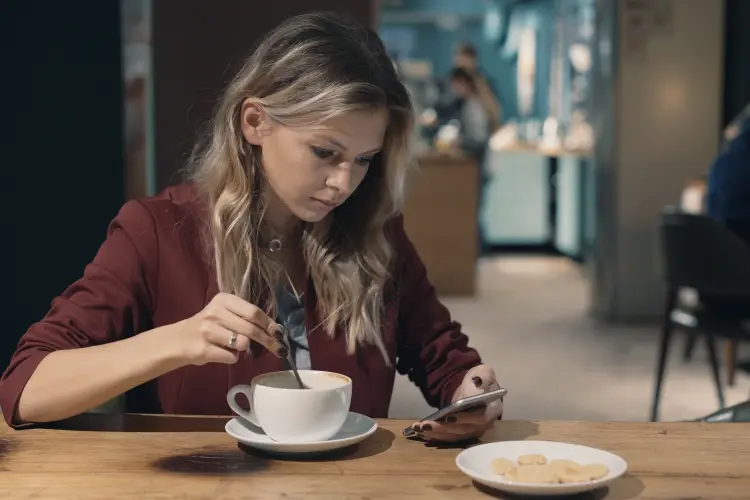
Since antiquity, the communication medium has been in existence. Through these communication mediums, people can interact and pass important information to their family and friends. Nowadays, technology has mad...
There are several ways to make money these days but many can be quite boring and stressful. Imagine doing something exciting and getting paid? Yes, I mean getting paid for doing something you love. Something as...

Coronavirus has made its way around the world. We are currently in a pandemic. Coronavirus is now in even the remotest of places. This is becoming a huge concern for people worldwide who want to know the ongoin...

Do you crave a change in the appearance of your Windows desktop? Are you tired of seeing the same old customization every day? Does it get hard for you to find your folders and system statistics? Well...

Ever wondered how you could read electronic publications on your Windows device? Well, you have come to the right place. Having a tablet dedicated to your writing needs might be unnecessary as you wou...

World of warcraft is an online multiplayer game established in November 23rd 2004, developed by Blizzard Entertainment, designed by Jeff Kaplan, Tom Chilton, Rob Pardo.This game being more than a dec...

Best 15 Ad Blockers for Android Devices 2023 - The evolution of the internet came on stage together with Ad blockers. So, don't think that Adblockers are some new apps that just came mainstream. If yo...
Recent Ones
Come here for FREE Gifts. We want to share some nice tips and great tricks. First, disable your adblocker for them
Once done, hit anything below
 |
 |
 |
 |
 BTIK
BTIK